

Blog
Advantages of PEEK Materials in Robotics

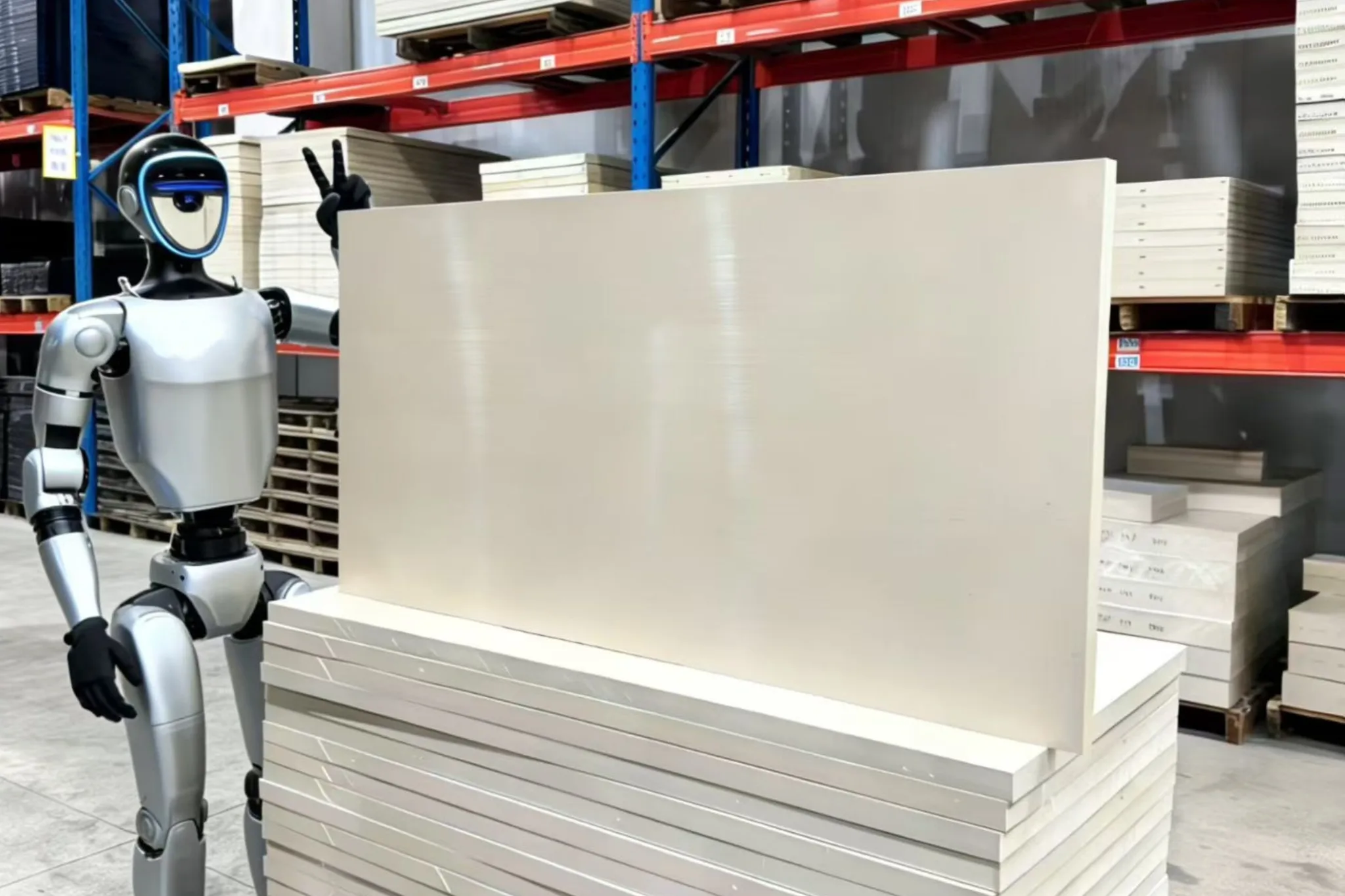
As a specialty engineering plastic with outstanding comprehensive properties, Polyether ether ketone (PEEK) has been widely integrated into various core components in the robotics industry, covering multiple dimensions including transmission, structural frameworks, and functional protection. Leveraging its core advantages such as being lightweight, high strength, self-lubricating, and resistant to extreme environments, PEEK has emerged as an ideal alternative to metals and traditional engineering plastics. The following outlines the primary advantages of PEEK materials.
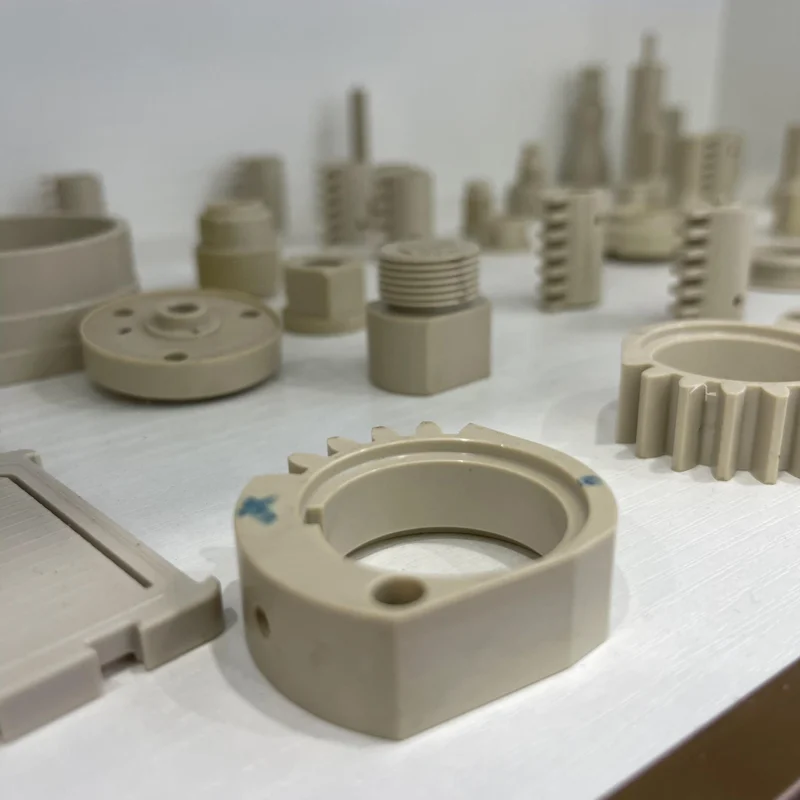
I. Balance of Lightweight and High Strength to Enhance Motion Performance
Compared with traditional metal materials, the density of PEEK is only 1.3 g/cm³, which is about half that of aluminum alloys. However, its tensile strength can reach over 100 MPa, and its flexural modulus exceeds 3.5 GPa. This exceptional strength-to-weight ratio allows robots to significantly reduce their overall weight while maintaining structural integrity, thereby improving motion performance.
II. Self-Lubrication and Low Wear to Reduce O&M Costs
The coefficient of friction of pure PEEK is approximately 0.3 to 0.4, which can be further reduced to below 0.2 with the addition of fillers such as PTFE or graphite. Endowed with excellent self-lubricating properties, transmission components made of PEEK, such as gears and bearing cages, eliminate the need for frequent lubrication. This not only prevents lubricating oil leakage from contaminating precision electronic components but also reduces wear between gear tooth surfaces and parts, significantly cutting down overall operation and maintenance (O&M) costs.
III. Shock Absorption and Low Noise for Sensitive Environments
With an elastic modulus lower than that of metals, PEEK exhibits excellent damping and shock absorption capabilities. It can effectively absorb vibrations during gear meshing and robotic arm movements while reducing transmission noise. This makes it highly adaptable to noise-sensitive environments such as households, supermarkets, and hospitals, thereby improving the overall user experience.
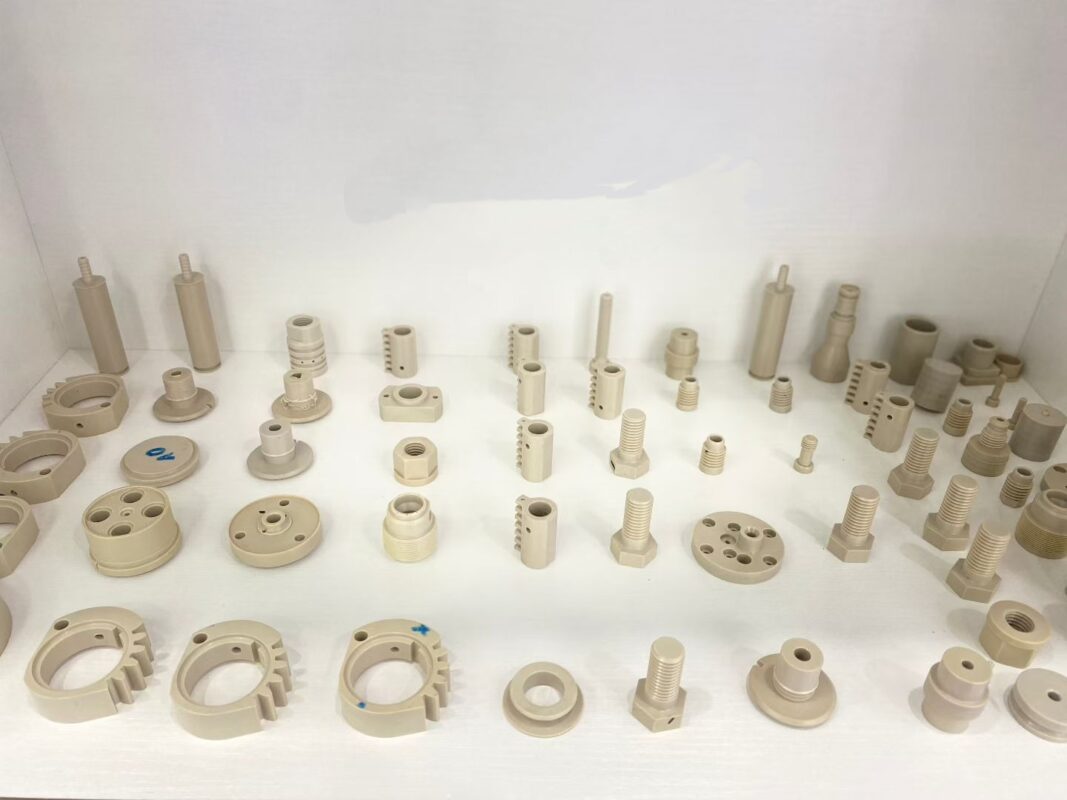
IV. Resistance to Extreme Environments
- Temperature Resistance: PEEK has a continuous operating temperature of up to 260°C and can withstand short-term high temperatures exceeding 300°C. It easily adapts to localized temperature rises caused by the high-speed operation of transmission components and can endure harsh conditions such as high-temperature chemical workshops.
- Corrosion Resistance: PEEK demonstrates robust resistance to various media, including acids, alkalis, and organic solvents. It is highly suitable for applications such as sensor sheaths in chemical inspection robots and seals in deep-sea robots, preventing component failure in corrosive environments.
- Radiation Resistance: Featuring notable radiation resistance, PEEK can be used to manufacture protective shells for nuclear power maintenance robots. It shields internal precision components from nuclear radiation damage, further expanding operational capabilities in extreme scenarios.
Conclusion
With its unique combination of properties, PEEK not only overcomes many technical bottlenecks faced by traditional materials but also unlocks new possibilities for robot design. As robotics application scenarios continue to expand and material technologies keep innovating, PEEK is well-positioned to become one of the landmark materials in the robotics industry.