
Blog
Industrial-Grade High-Crystallinity PPS Filament: Setting a New Benchmark for EV and Aerospace Additive Manufacturing

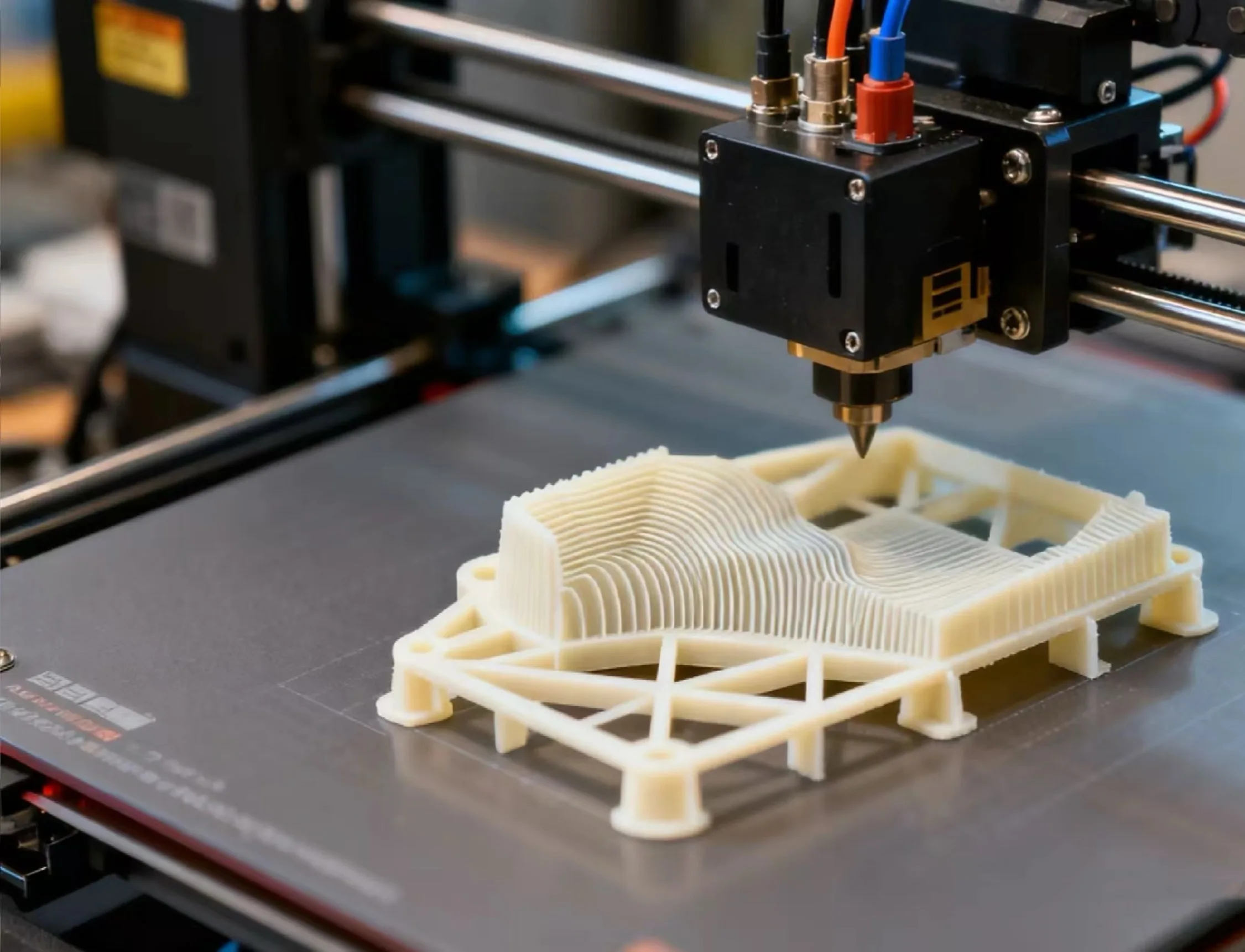
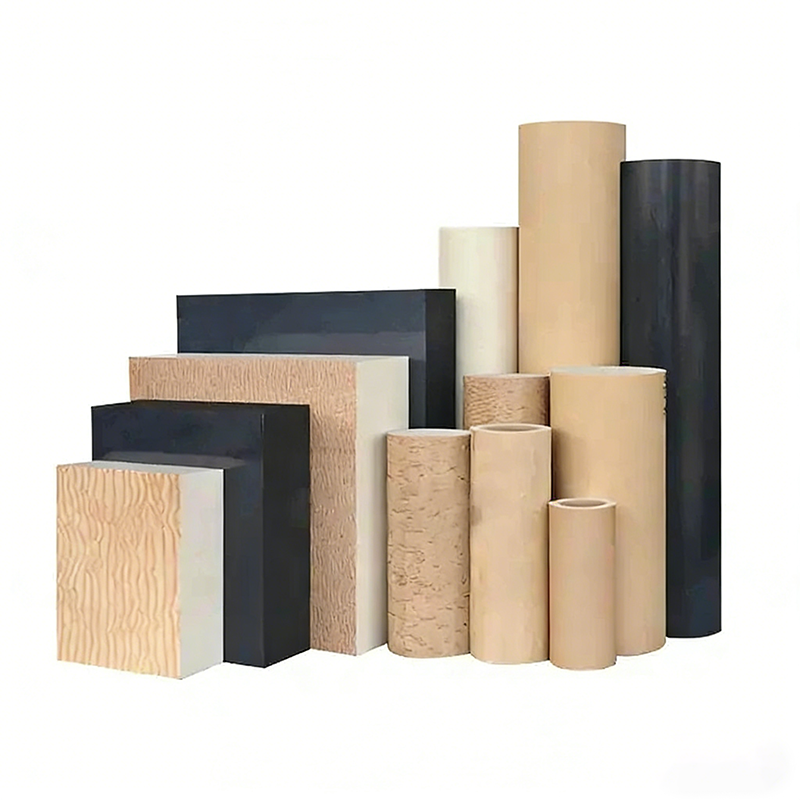
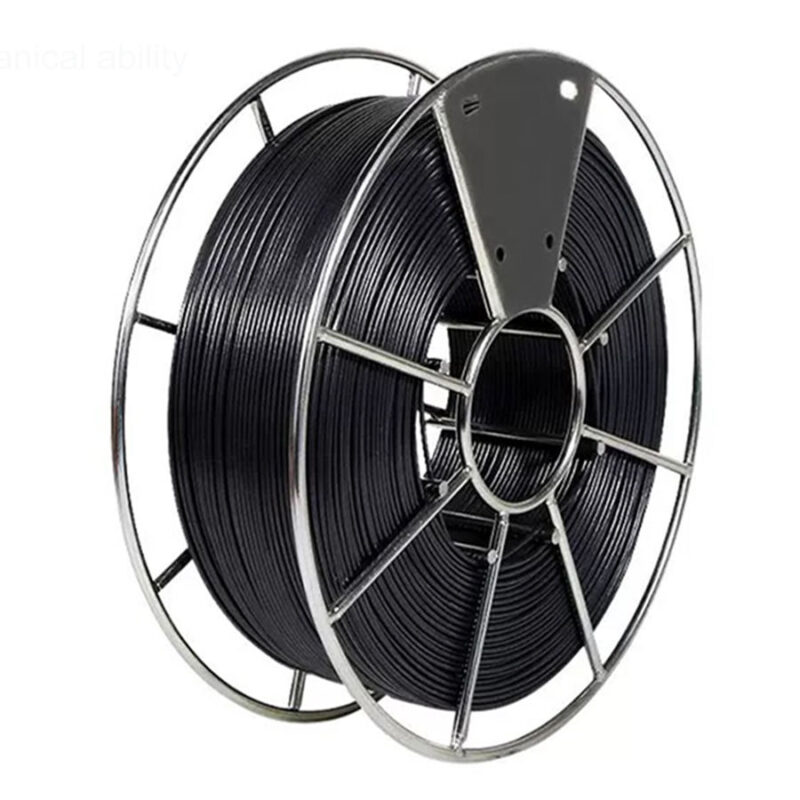
As the demand for high-performance additive manufacturing materials grows, a new industrial-grade Polyphenylene Sulfide (PPS) filament has officially entered commercial use. This semi-crystalline polymer is designed to replace metal components and high-cost thermoset plastics in extreme environments, marking a significant leap in end-use part manufacturing.
Bridging the Performance Gap in Industrial 3D Printing
In scenarios where standard engineering plastics fail due to thermal stress and chemical erosion, this PPS filament stands out with a Heat Deflection Temperature (HDT) of 240°C. It provides engineers with a highly predictable, high-strength solution, ensuring long-term structural stability for mission-critical parts under continuous high-temperature loads.
Core Technical Specifications and Industry Compliance
Superior Thermal Stability: Maintains full mechanical properties in high-temperature environments (240°C HDT).
Total Chemical Immunity: Near-zero reaction to fuels, acids, and alkalis, even at elevated temperatures—ideal for chemical manifolds and EV under-the-hood components.
Safety and Flame Retardancy: Inherently UL94 V-0 rated without toxic additives, fully complying with stringent safety regulations for aerospace and EV battery systems.
High-Precision Engineering: Near-zero water absorption ensures excellent dimensional stability. Features a high strength-to-weight ratio and produces a characteristic “metallic ring” upon impact.
Optimized Parameters for Industrial Production
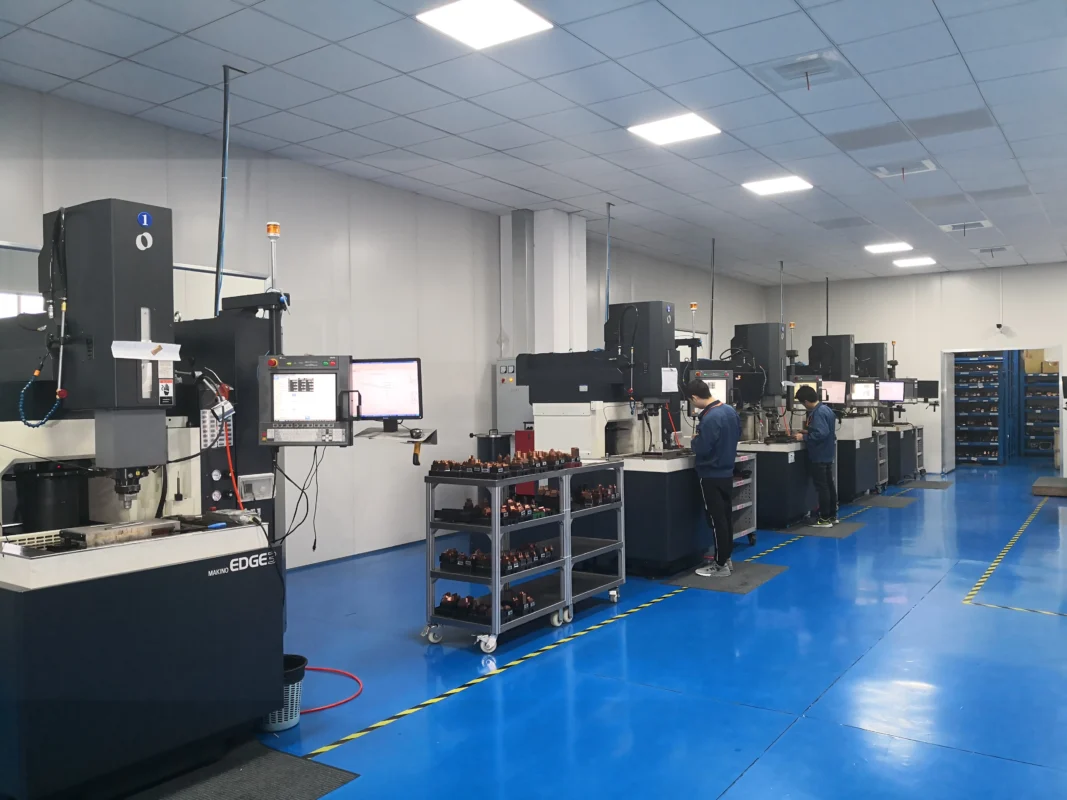
To ensure optimal interlayer bonding and crystallinity, this material has been rigorously validated on industrial-grade hardware:
Extrusion Temperature: 300°C – 340°C
Active Chamber Temperature: 80°C+
Build Plate Temperature: 120°C+
Industry Insight: From Prototype to Terminal Deployment
“By providing a material that maintains integrity in the most corrosive and high-heat environments,” industry experts note, “we enable engineers to deploy CAD designs directly into core missions for EVs and aerospace, significantly shortening the cycle from design to application.”