

Blog
Unveiling the “Weight Reduction Weapon” for Rocket Engines: How PEEK Specialized Plastic Replaces Metal

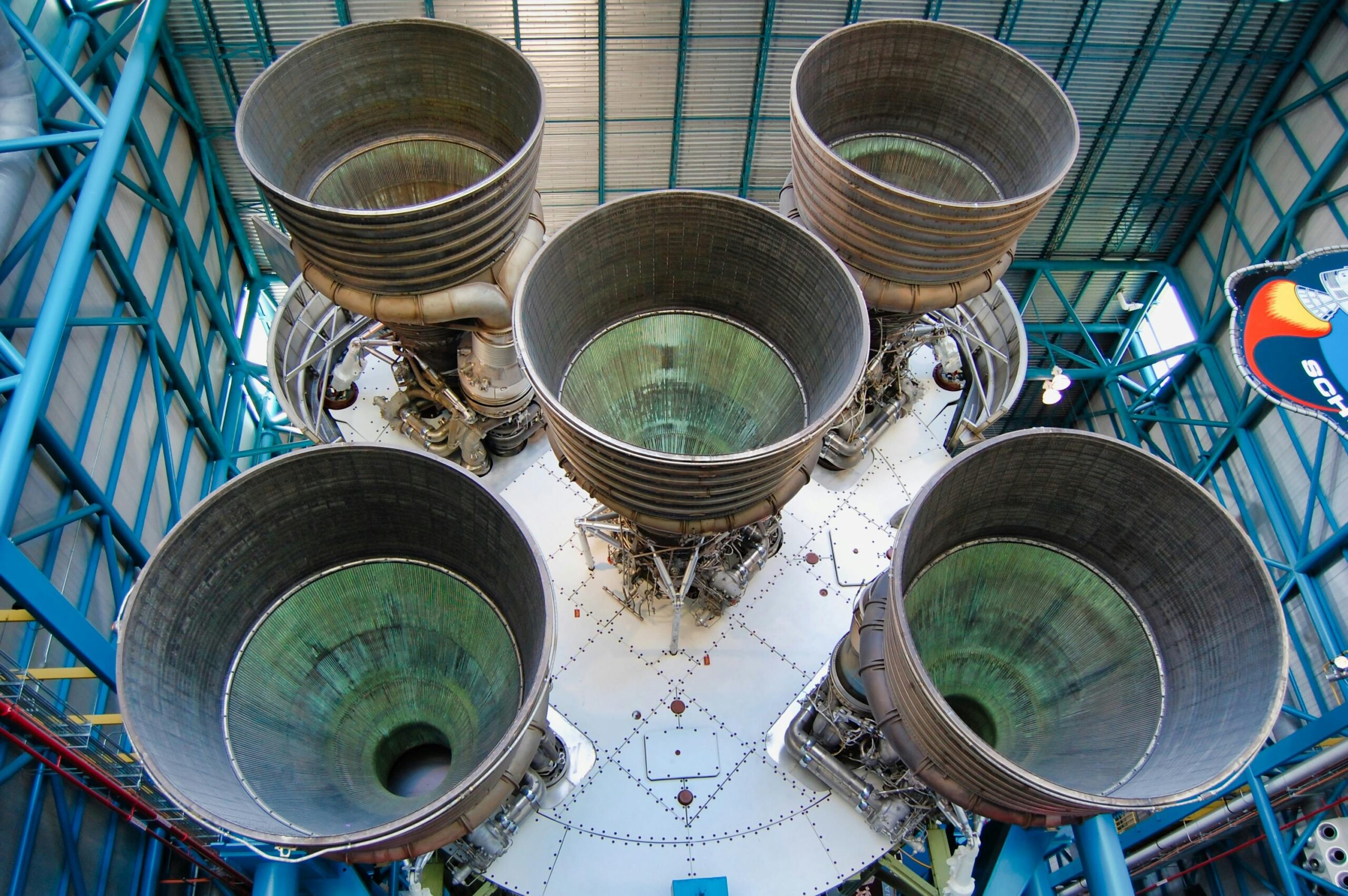
In today’s fierce commercial aerospace competition, every gram of weight reduction translates into tens of thousands of dollars in cost savings. While traditional metal materials are robust, they face severe challenges in extreme environments. Known as the “King of Plastics,” PEEK (Polyetheretherketone) is increasingly becoming the top choice for rocket engine components. It can not only withstand high temperatures up to 260°C but also reduce the weight of parts by up to 60%.
1. Why is PEEK the Ideal Choice for Rocket Engines?
- Extreme Temperature Resistance: PEEK has a melting point of approximately 343°C. It maintains its mechanical strength in extreme environments ranging from 250°C to 260°C, making it more than capable of handling the harsh conditions within rocket propulsion systems.
- Superior Strength-to-Weight Ratio: With a density much lower than that of aluminum and steel, PEEK significantly reduces launch loads while maintaining structural integrity.
- Chemical and Corrosion Resistance: It can withstand erosion from jet fuel, liquid oxygen environments, and various de-icing agents, ensuring long-term operational reliability.
2. Core Applications of PEEK in Rocket Engines
- Turbopump Bushings: In environments characterized by high-speed rotation and extreme pressure, PEEK’s self-lubricating properties and low friction coefficient significantly extend the service life of components.
- Seals & Gaskets: By leveraging its excellent dimensional stability, PEEK ensures that no leakages occur even under violent pressure fluctuations.
- Thrust Chamber Components: For structural parts in low-to-medium temperature zones, PEEK is gradually replacing stainless steel to optimize fluid dynamics performance.
3. PEEK vs. Metal: Performance Comparison Table
| Feature | PEEK (Polyetheretherketone) | Traditional Metals (Aluminum/Steel) |
| Weight | Extremely light (Density ~1.3g/cm³) | Heavy (Al 2.7g/cm³ / Steel 7.8g/cm³) |
| Processability | Precision machining or 3D printing | Requires complex forging and cutting |
| Corrosion Resistance | Extremely high; resistant to oxidation and fuel | Requires additional anti-corrosion coatings |
| Thermal Conductivity | Low; naturally insulating | High; easily conducts heat to sensitive electronics |