

Blog
Why is PEEK the cornerstone of modern precision engineering?

In highly demanding industrial applications, material failure often leads to costly production downtime or experimental failure.With outstanding thermal stability (long-term service temperature up to 260°C), excellent chemical inertness and strong mechanical strength, PEEK (polyether ether ketone) tubing has become the ideal alternative to stainless steel and fluoroplastics like PTFE.
I. Precision Grade: PEEK Capillary Tubing for HPLC and Analytical Instruments
In high-performance liquid chromatography (HPLC) and ultra-high-performance liquid chromatography (UHPLC) systems, tubing acts not only as a fluid transport channel but also as a critical component that directly affects separation efficiency and experimental accuracy.
1.1 Core Specifications and Tolerance Requirements
For original equipment manufacturers (OEMs) of analytical instruments, the most widely adopted specification is PEEK tubing with a 1/16-inch (1.59 mm) outer diameter (OD).
- Common inner diameters (ID): range from 0.005 inches (0.13 mm) to 0.040 inches (1.0 mm)
- Pressure resistance: 1/16″ PEEK tubing typically withstands 5,000–7,000 psi (350–480 bar), with reinforced versions suitable for higher-pressure applications
- Surface roughness: Ultra-smooth inner wall (low Ra value) to avoid biomolecule adsorption and dead volume formation
1.2 Unique Advantages of PEEK vs. Stainless Steel
- Biocompatibility: No metal ion leaching, which is essential for protein analysis and ion chromatography
- Ease of fabrication: Can be cut directly with a manual tube cutter, without the precision end-face grinding required for stainless steel tubing
- Color coding: Professional suppliers provide color-coded options (e.g., red for 0.005″ ID, yellow for 0.007″ ID) to effectively prevent assembly errors
II. Industrial Grade: Large‑Diameter Custom Machining‑Grade PEEK Tubing
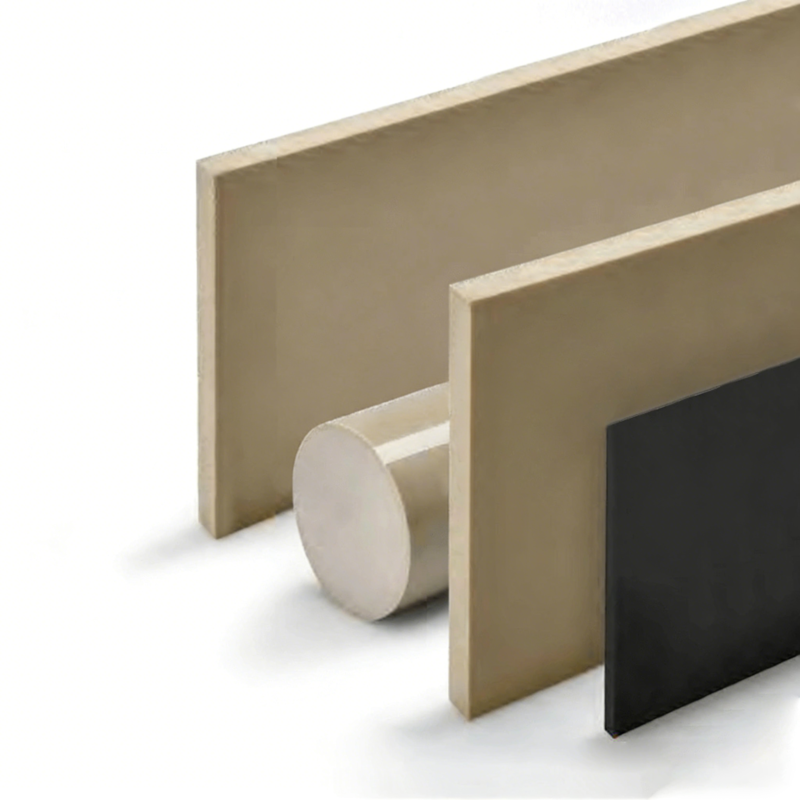
Unlike capillary tubing, large‑diameter PEEK tubing (Machining Grade PEEK Tubing) is mainly used as a high‑performance raw material for manufacturing complex mechanical components.
2.1 Machining and Customization
These tubes are typically produced by extrusion or compression molding, with thick walls specially designed for CNC machining.
Typical applications: seals, bushings, valve seats, semiconductor wafer carriers, and insulation sleeves for oil drilling.
Size range: outer diameter can be customized from 20 mm up to several hundred millimeters according to customer requirements.
2.2 Selection of Reinforced Grades
To meet more demanding mechanical conditions, large‑diameter PEEK tubing is available in various filled grades:
- Natural PEEK: FDA compliant, suitable for food, medical, and semiconductor applications.
- Glass Fiber Reinforced (PEEK GF30): 30% glass fiber added for improved dimensional stability and rigidity.
- Carbon Fiber Reinforced (PEEK CF30): offers the highest strength, rigidity, and thermal conductivity, with an extremely low coefficient of thermal expansion.
- Bearing Grade (Lubricated PEEK): formulated with PTFE and graphite, specially designed for high‑wear, low‑friction applications.
III. Technical Comparison: PEEK vs. PTFE
In procurement decisions, understanding the differences between PEEK and low-cost alternatives such as PTFE is critical:
表格
| Performance Characteristics | PEEK (Polyetheretherketone) | PTFE (Polytetrafluoroethylene) |
|---|---|---|
| Operating Temperature | Up to 260°C (500°F) | Up to 200°C (392°F) |
| Pressure Resistance | Extremely high (suitable for high-pressure systems) | Relatively low (prone to creep under high pressure) |
| Mechanical Strength | Excellent (metal-like) | Soft (prone to cold flow) |
| Wear Resistance | Outstanding | Moderate |
| Machinability | Ideal for precision CNC machining | Suitable for basic turning |
IV. B2B Purchasing Guide: How to Select a Qualified PEEK Supplier?
For B2B procurement on independent websites, ensuring product consistency and compliance with quality standards is critical. When screening suppliers, focus on the following key aspects:
- Dimensional Tolerance Control: Ask whether the supplier can achieve an outer diameter tolerance of ±0.001 inches.
- Batch Consistency: Check if the supplier provides Certificate of Analysis (COA) and RoHS/REACH compliance documents.
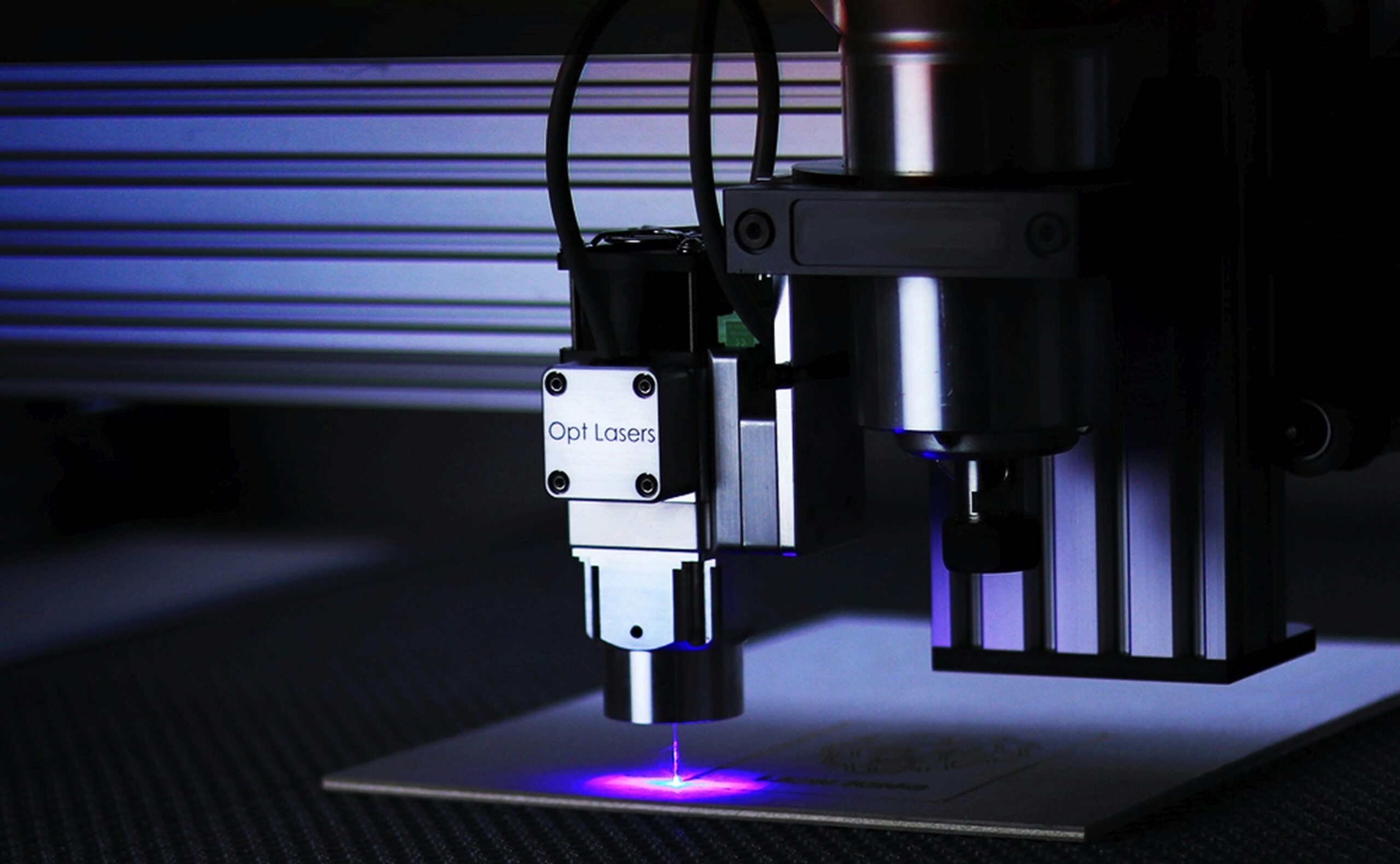
- Secondary Processing Capability: Confirm whether services including cut-to-length, chamfering or laser marking are available.
- Inventory Support: Verify if standard 1/16″ HPLC tubing is kept in stock to meet urgent delivery requirements.
V. Conclusion
With its versatile application range covering everything from micro fluidic pathways to macro structural components, PEEK tubing has become an indispensable material in modern high-precision industries.
Whether you are developing cutting-edge chromatographic analysis systems or designing high-load components for the oil and gas sector, choosing PEEK tubing in the right specification and grade is the first critical step to guarantee system reliability.
As a premier supplier of high-performance polymer solutions, we focus on delivering high-precision 1/16-inch PEEK tubing and custom machined-grade large-diameter PEEK components.Our engineering team is at your disposal for all technical inquiries and pricing requirements.