

Blog
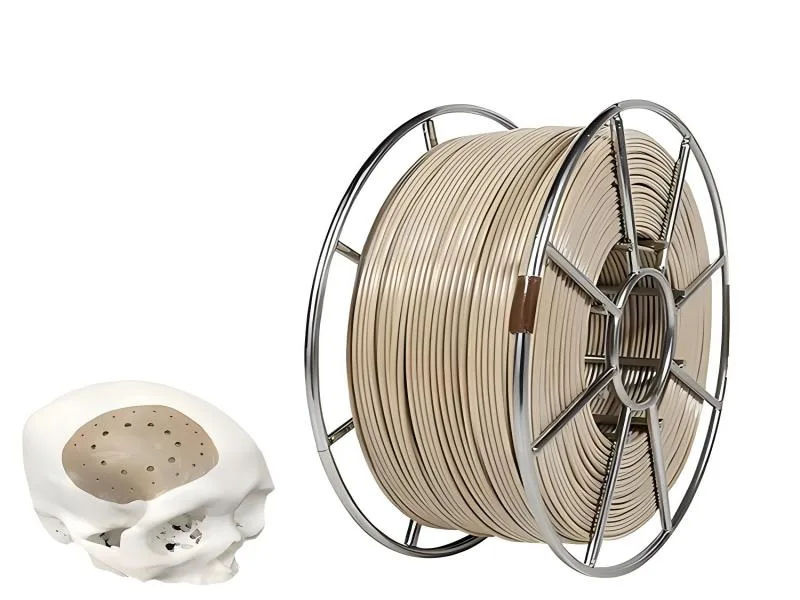
PEEK/PEKK becomes a functional yet expensive 3D printing material

Here is the English translation:
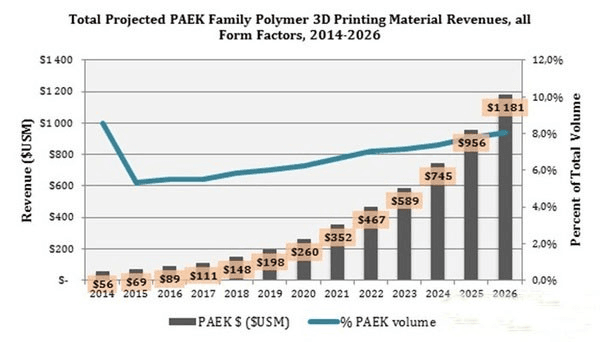
A recent “Polymer and Plastics 3D Printing” ten-year forecast report published by SmarTech analyzed the “thermoplastics” market. It predicts that PAEK (polyaryletherketone) materials will embrace new commercial opportunities over the next decade. By 2026, PAEK is expected to account for 19% of the revenue in the 3D-printed polymer materials market, while representing over 8% of the total polymer 3D printing equipment market.
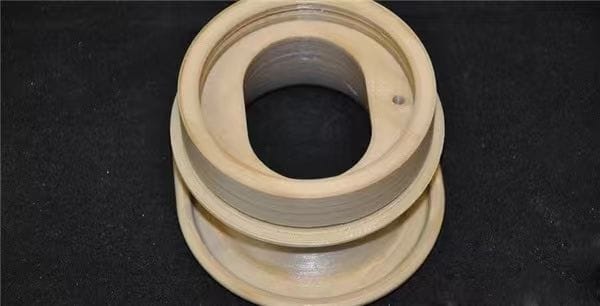
Recently, startups such as Italy’s Roboze and Germany’s INDMATEC have launched highly affordable extrusion systems based on advanced thermoplastic filaments, primarily targeting PEEK materials.
Here is the complete English translation for the text provided:
PEEK/PAEK Materials “Invading” the Powder Bed Fusion Market
According to SmarTech’s analysis, several factors—particularly SLS technology—have accelerated the adoption of PEEK/PAEK:
1、Manufacturer EOS has already applied PEEK to SLS 3D printing. While PEEK/PAEK polymers can be used in material extrusion-based 3D printing, they are currently utilized primarily in powder bed fusion. EOS offers certified PEEK materials (developed by Rauch) and is one of the few suppliers capable of providing certified, advanced thermoplastic powders developed specifically for its own technology.
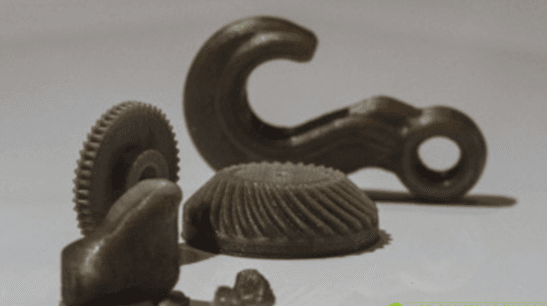
2、PEEK/PAEK polymers are generally applied in high-value industries—for instance, to fabricate high-performance, 3D-printed components that feature high strength, lightweight properties, and complex geometries. Currently, they are mainly used in aerospace and medical sectors, while the energy industry is also continuously expanding its applications.
Here is the English translation for the text provided:
3、SmarTech expects that medical implants made of PEEK/PEKK materials will increase. The SpineFab implant product line from Oxford Performance Materials (OPM) in the US serves as a validation of the load-bearing capacity of laser-sintered PEKK components. In the implant sector, titanium alloys have held a dominant position for nearly a decade; however, the stubbornly high cost of titanium powder has caused titanium implants to lose part of their competitive edge. Meanwhile, several studies indicate that PEKK implants not only deliver appropriate load-bearing strength but also feature a lighter overall weight.
A Glimpse into the Future of PEEK in the Extrusion Technology Market
SmarTech’s polymer report also provides a detailed analysis of the trend where PEEK and PEKK will gradually and partially replace ULTEM materials. Currently, ULTEM materials command the majority of the market share for advanced 3D-printed thermoplastics, but their price remains relatively high. On the other hand, the maturity and commercialization of material extrusion equipment from manufacturers like Stratasys will help boost the utilization of PEEK/PEKK materials and expand their scope of application.
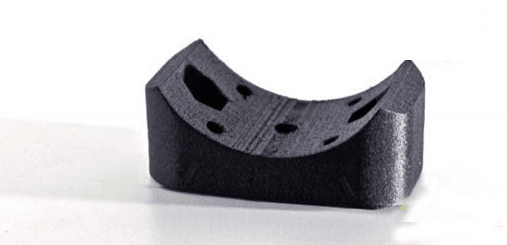
Here is the English translation for the text provided:
In 2015, Italian 3D printing equipment manufacturer Roboze announced the launch of the Roboze One +400, which was claimed to achieve an extrusion temperature of 400°C and could print PEEK and PEI filaments. This machine included a specialized cooling system capable of stabilizing material performance and avoiding warping issues commonly caused by high-temperature extrusion, all without infringing on Stratasys’ sealed chamber patents. Germany’s INDMATEC also announced in 2015 the launch of a PEEK filament truly viable for 3D printing, with its compatible equipment entering the market at a price of around $40,000.
As thermoplastics used for material extrusion and polymer powder bed fusion technologies become increasingly commercialized and accessible, the growth of these materials will further depend on the development of specialized applications. These applications will serve to replace existing metal structures and components in high-performance products and industries. Consequently, the success of thermoplastic materials will heavily rely on the public’s adoption rate of 3D printing as a production tool.
Another critical factor for the market growth of PEEK/PAEK materials lies in whether they can be reliably processed using next-generation, thermal-based powder bed fusion systems (such as HP’s 3D printers). The laser sintering capabilities of materials like PEEK/PEKK have already undergone over five years of commercial-grade development, and their breakout is expected to happen sometime before thermoplastic powders genuinely begin to displace alternative powder fusion methods. If this is achieved, it could trigger a highly significant shift in the 3D printing materials market.