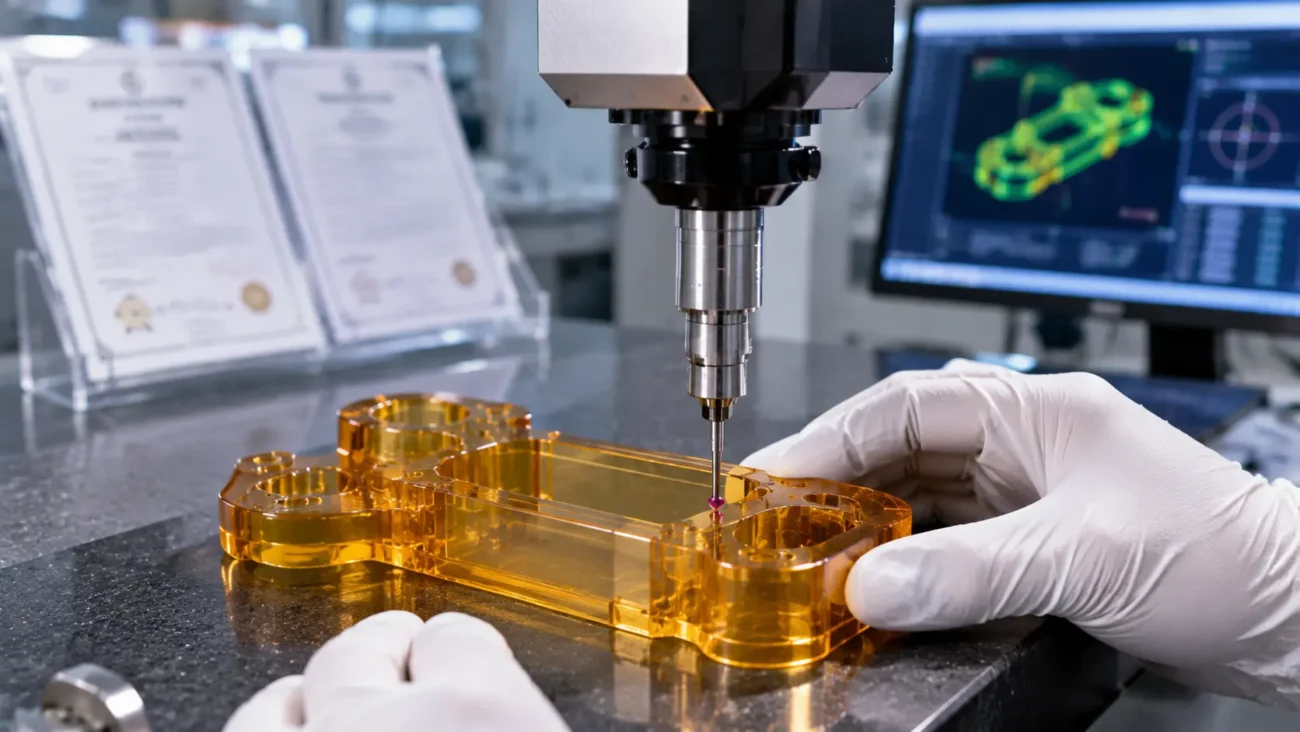

Blog
Why PPSU Dominates Reusable Medical Devices: The Engineering Guide to 1,000+ Autoclave Cycles & Value-Added Machining

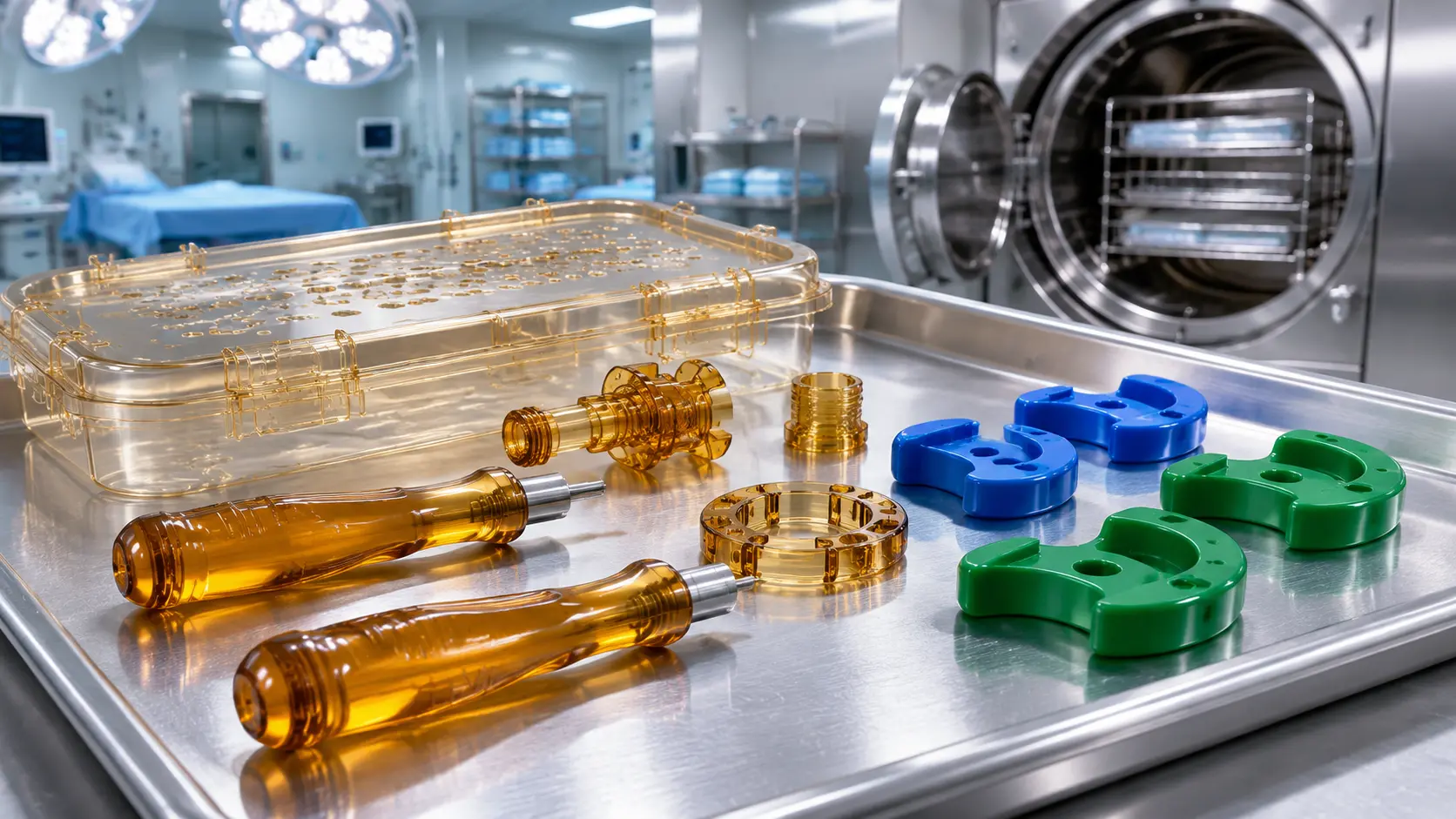
In the design of reusable surgical instruments and medical diagnostic equipment, material failure is not just an operational delay—it is a serious patient safety hazard. When components undergo repeated high-pressure steam sterilization (autoclaving), most engineering plastics suffer from rapid thermal degradation, surface crazing, and catastrophic environmental stress cracking (ESC).
Polyphenylsulfone (PPSU)—widely recognized under brand names like Radel® and Ultrason® P—has established itself as the undisputed benchmark thermoplastic for reusable hospital hardware.
This technical guide examines the material properties, extreme sterilization endurance, and the end-to-end precision manufacturing (CNC machining, cleanroom injection molding, and custom profile extrusion) of medical-grade PPSU.
1. What Is Medical-Grade PPSU (Polyphenylsulfone)?
PPSU is an amorphous, high-performance thermoplastic belonging to the polysulfone family. Unlike conventional semi-crystalline polymers, its rigid aromatic polymer backbone delivers an exceptional combination of elevated heat deflection temperature (HDT of 207°C / 405°F) and exceptional notched impact strength (comparable to metallic alloys in fracture toughness).
Key Mechanical & Thermal Baselines:
- Continuous Service Temperature: Up to 180°C (356°F)
- Heat Deflection Temperature (HDT @ 1.8 MPa): 207°C (405°F)
- Tensile Strength at Yield: > 75–80 MPa
- Flexural Modulus: ~2.4 GPa (Ultra-low elastic drift under continuous clamping load)
- Biocompatibility Standards: Certified compliance with ISO 10993-4, -5, -10, -11 and USP Class VI (Non-cytotoxic, non-hemolytic, and non-sensitizing).
2. The 1,000+ Autoclave Cycle Benchmark: PPSU vs. PEI vs. PSU vs. PEEK
The primary lifecycle metric for reusable surgical devices is endurance under pressurized steam sterilization (134°C / 273°F under saturated steam). Below is an objective engineering comparison:
| Engineering Property | PPSU (Polyphenylsulfone) | PEI (Polyetherimide / ULTEM™) | PSU (Polysulfone) | PEEK (Polyetheretherketone) |
| Autoclave Resistance (Steam Cycles) | > 1,000+ Cycles (Industry Apex) | ~100–150 Cycles (Prone to crazing) | ~100 Cycles (Lower chemical barrier) | > 1,500+ Cycles (Highest) |
| Material Cost | Moderate (Optimal ROI) | Moderate | Economical | Extremely High (3x to 4x PPSU) |
| Impact Toughness | Exceptional (Shatter-Proof) | Moderate (Notch sensitive) | Moderate | High |
| Transparency / Color Options | Amber Translucent & Opaque Colors | Amber Translucent only | Transparent / Amber | Opaque Beige / Black only |
| Resistance to Alkaline Detergents | Superior (pH 2–12) | Moderate (Prone to base attack) | Moderate | Universal |
- The Engineering Conclusion: While PEEK offers universal resistance at a cost-prohibitive price point, and PEI excels in electrical stiffness, PPSU offers the optimal balance of 1,000+ autoclave longevity, high-impact shatter resistance, biocompatible color-coding, and material cost-efficiency for surgical environments.
3. Chemical Resistance to Aggressive Hospital Disinfectants
Thermal cycling is only part of the challenge. Prior to steam autoclaving, surgical instrumentation undergoes aggressive enzymatic washing, high-alkaline chemical baths, and low-temperature hydrogen peroxide gas plasma (STERRAD®) processing.
- Immunity to Hydrolysis: PPSU contains no ester or aliphatic linkages in its chemical backbone, rendering it completely inert to hydrolytic degradation in boiling water and superheated steam.
- Environmental Stress Cracking (ESC) Defense: Unlike Polycarbonate (PC) or acrylics, PPSU resists surfactant-induced ESC when exposed to hospital-grade lipids, disinfectants, and cleaning agents across a broad pH spectrum (pH 2 to 12).
4. Key Medical Applications for PPSU Components
Thanks to global regulatory compliance (FDA and EU MDR 2017/745), PPSU is utilized across critical medical sectors:
- Orthopedic Surgical Handles & Retractors: Ergonomic, high-torque, slip-resistant grips that withstand mallet impacts during surgery.
- Sterilization Trays, Brackets, and Lids: Translucent covers allow visual inspection while surviving rough logistics handling.
- Endoscopic Caps & Articulation Rings: Ultra-precision thin-wall components resistant to harsh reprocessing chemistry.
- Color-Coded Trial Implants (Sizing Trials): Fabricated in biocompatible blue, green, yellow, and red for rapid intraoperative size identification.
5. One-Stop Turnkey Manufacturing: From Polymer to Finished Components
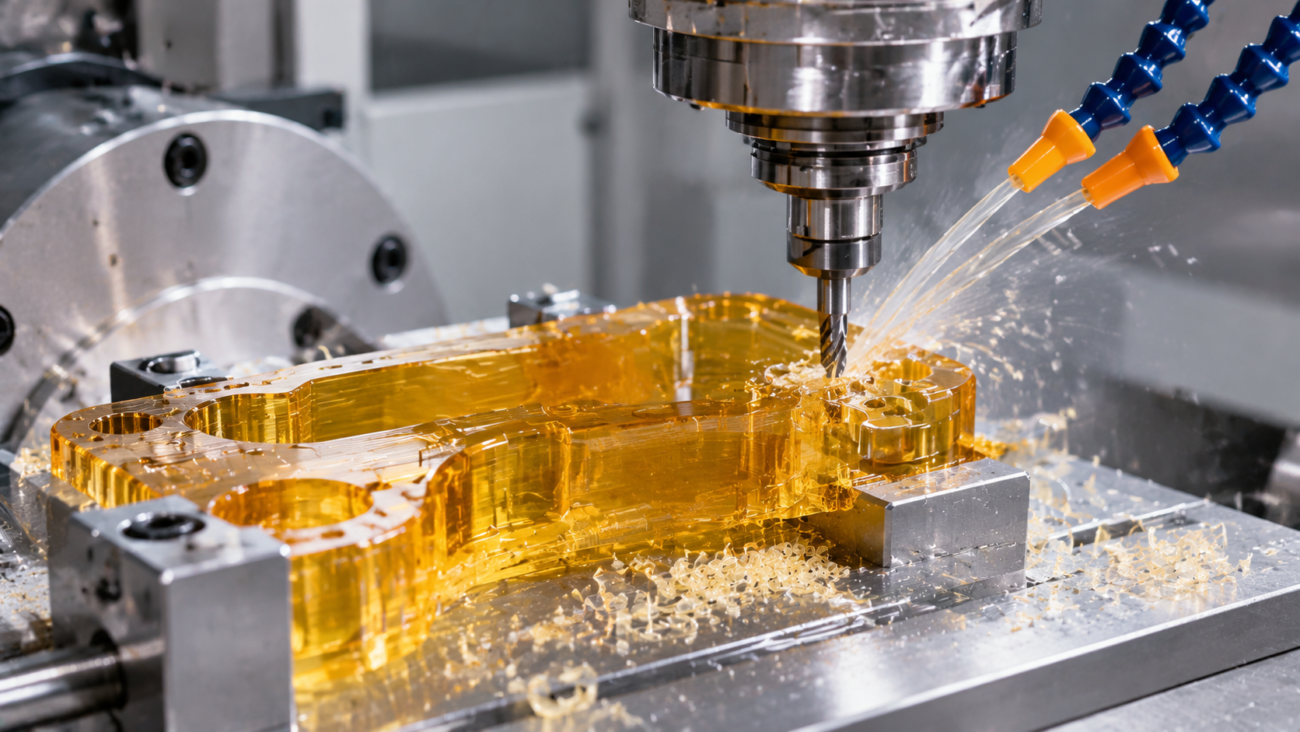
Why fragment your supply chain between resin importers, shape extruders, and secondary machine shops? We provide a vertically integrated, one-stop manufacturing ecosystem for high-precision PPSU parts:
A. Precision Multi-Axis CNC Machining
- Machining Envelope: 3-axis, 4-axis, and 5-axis high-speed CNC milling and Swiss-type turning for micro-medical geometries.
- Tight Tolerances: Consistently holding tolerances down to ±0.01 mm (±0.0004”).
- In-House Stress-Relief Annealing: Utilizing programmable thermal ovens (soaking at ~190°C–200°C) post-machining to relieve cutting-induced residual stresses, completely eliminating stress cracks in service.
B. Cleanroom Injection Molding
- High-Viscosity Tooling: Custom mold architecture engineered with optimized venting and hot runner systems designed specifically for high-temperature amorphous polymers.
- Tight Process Control: Precision electric molding machines coupled with pressurized oil-mold temperature controllers (operating at 140°C–180°C) to eliminate surface splay marks, weld lines, and molded-in internal stress.
- Biocompatible Color Compounding: In-house color matching for surgical trial series compliant with medical standards.
C. Custom Profile & Tubing Extrusion
- Continuous extrusion of standard and non-standard PPSU rods (Ø5 mm to Ø200 mm), heavy-gauge plates (up to 100 mm thickness), and custom thin-walled medical tubing—reducing raw material wastage on your CNC floor.
Quality Assurance & Material Traceability
Our manufacturing and processing protocols are structured for audit-ready compliance:
- 100% Virgin Resins: Processing certified resin lots (e.g., Solvay Radel®, BASF Ultrason®).
- Comprehensive Documentation: Full Material Test Reports (MTR), certificate of conformity (CoC), and dimensional CMM inspection reports provided with every shipment.
- Zero Contamination Policy: Dedicated machining cells for engineering plastics, preventing metallic particle cross-contamination.
Accelerate Your Medical Hardware Production
Whether you require certified medical-grade PPSU stock shapes for internal machining or complete, finished surgical components delivered to your exact CAD specifications:
Contact Our Polymer Engineering Team for a DFM Review & Rapid Technical Quote